What Is The Normal Blood Pressure For Each Age
Introduction
Blood pressure isn’t just a doctor’s reading — it’s one of the most important signs of how well your heart is working. Each heartbeat pushes life through your veins, carrying oxygen and nutrients that keep your body running smoothly.
As we grow older, our blood vessels naturally change, and so does our blood pressure. Understanding these changes helps us stay ahead of potential problems like heart disease or stroke.
Knowing what’s normal for your age can empower you to make small, daily choices that protect your heart and support lifelong wellness.
Why Blood Pressure Matters
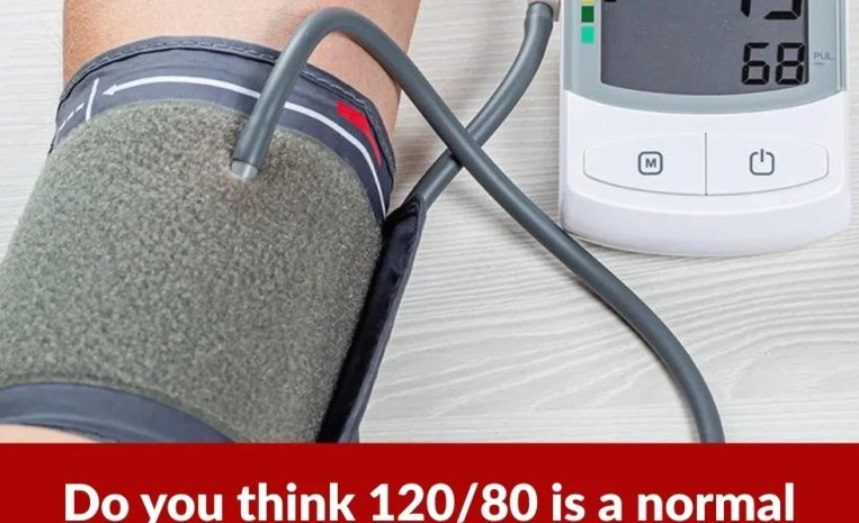
Blood pressure measures the force of blood against artery walls as your heart pumps. It’s written as two numbers:
Systolic (top): Pressure when your heart beats.
Diastolic (bottom): Pressure when your heart rests.
A healthy adult reading is often around 120/80 mm Hg, but “normal” can vary slightly by age, gender, and overall health.
- Low – Systolic less than 90, Diastolic less than 60
- Optimal – Systolic less than 120, Diastolic less than 80
- Normal – Systolic 120–129, Diastolic 80–84
- Normal-High – Systolic 130–139, Diastolic 85–89
- High – Systolic 140+, Diastolic 90+
Average Blood Pressure in Children and Teens
- Newborns – 1 month: Systolic 60–90, Diastolic 20–60
- Infants: Systolic 87–105, Diastolic 53–66
- Toddlers: Systolic 95–105, Diastolic 53–66
- Preschoolers: Systolic 95–110, Diastolic 56–70
- School-Age: Systolic 97–112, Diastolic 57–71
- Adolescents: Systolic 112–128, Diastolic 66–80
Average Blood Pressure by Age and Gender
- 18–39 years: Women 110/68, Men 119/70
- 40–59 years: Women 122/74, Men 124/77
- 60+ years: Women 139/68, Men 133/69
How Aging Affects Blood Pressure
As you age, arteries stiffen and may collect plaque, making it harder for blood to flow freely. Hormonal shifts and kidney function changes can also raise pressure. These natural changes make monitoring blood pressure essential for preventing heart attack, stroke, and cognitive decline.
Tips to Maintain Healthy Blood Pressure
- Keep a Healthy Weight – Even small weight loss can improve readings.
- Eat Heart-Smart – Choose fruits, vegetables, lean proteins, and whole grains. The DASH diet is a proven option.
- Move Daily – Aim for 150 minutes of moderate activity per week.
- Avoid Smoking – Quitting supports healthy vessels and circulation.
- Drink in Moderation – One drink per day for women, two for men, if at all.
Why You’ll Love This Guide
- Helps you understand your numbers at every stage of life.
- Empowers you to prevent hypertension naturally.
- Encourages simple daily habits that protect your heart long-term.
FAQs
1. What is considered dangerously high blood pressure?
A reading of 180/120 mm Hg or higher requires immediate medical attention.
2. Can stress raise blood pressure?
Yes, stress can cause short-term spikes; chronic stress may keep it elevated.
3. How often should I check my blood pressure?
At least once a year for healthy adults — more often if you have risk factors.
4. Does caffeine affect readings?
Caffeine can cause a brief rise; check your pressure 30 minutes after coffee.
5. Can dehydration cause low blood pressure?
Yes, dehydration reduces blood volume and may lower your numbers.
6. What’s the best time to measure blood pressure?
Morning, before eating or taking medication, for a consistent baseline.
7. Are home monitors accurate?
Most modern digital cuffs are reliable when used correctly.
8. Can exercise lower blood pressure naturally?
Yes — regular aerobic activity strengthens the heart and lowers pressure.
9. What foods help reduce blood pressure?
Leafy greens, berries, bananas, oatmeal, and foods rich in potassium and magnesium.
10. When should I call a doctor?
If your readings stay above 140/90 mm Hg or you notice dizziness, chest pain, or headaches.
Final Thoughts
Blood pressure changes naturally with age, but staying informed and proactive helps you maintain control. A balanced diet, daily activity, and routine check-ups are your best defense.
Healthy living doesn’t have to be complicated — small steps today can lead to a stronger, longer life tomorrow.