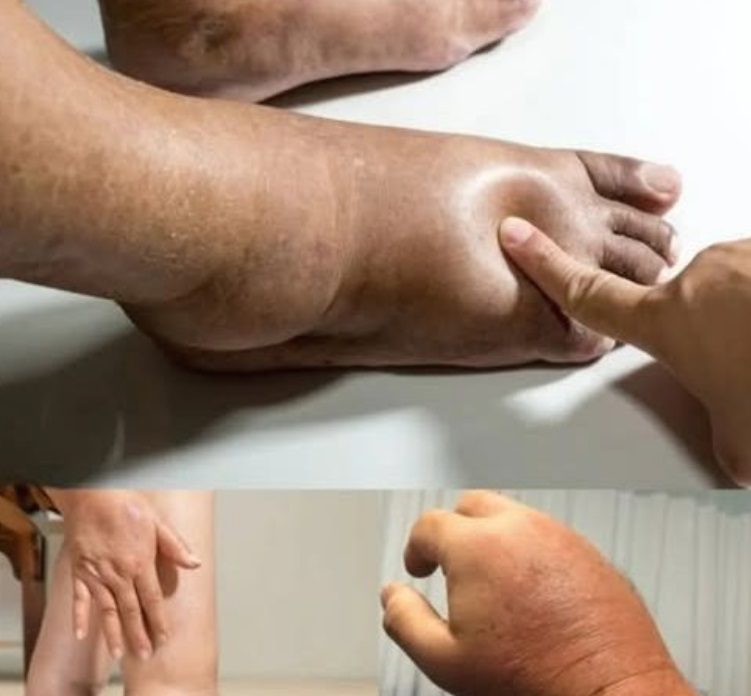
If your feet and hands are swollen, here is what your body is trying to tell you
Introduction
We’ve all felt it—that uncomfortable puffiness in our hands, ankles, or feet that makes shoes feel tight and daily movement a little harder. For some, swelling (also called edema) comes and goes with a hot day or long hours standing. For others, it can feel like a stubborn part of everyday life.
While persistent swelling can sometimes signal deeper health concerns that should be evaluated by a doctor, the good news is that small, mindful changes in what you eat and how you hydrate can make a real difference. Food is not just fuel—it can also be gentle medicine for circulation, fluid balance, and inflammation.
This guide will show you how simple, everyday foods—from bananas and cucumbers to berries and nuts—can support your body’s natural rhythm and help ease swelling in a safe, sustainable way.
Potassium: The Fluid-Balancing Hero
Potassium is one of the most important minerals for fighting swelling. It helps regulate sodium levels in your body, and when sodium builds up, so does water retention.
Top potassium-rich foods to add to your routine:
- Bananas
- Avocados
- Oranges
- Sweet potatoes
- Beans and lentils
👉 Including these foods in your meals helps your body flush out excess sodium, reduce bloating, and keep circulation flowing smoothly.
Hydrating Fruits & Veggies
Staying hydrated isn’t only about drinking more water—certain foods act as natural hydrators.
- Cucumbers – Over 90% water; supports connective tissue and reduces puffiness
- Watermelon – Hydrating, mildly diuretic, and packed with lycopene to calm inflammation
- Citrus fruits – Oranges, lemons, and grapefruits hydrate while strengthening blood vessels with vitamin C
Try snacking on citrus slices, adding cucumber to your water, or enjoying watermelon as a refreshing dessert.
Leafy Greens for Circulation
Dark leafy greens like spinach, kale, and Swiss chard provide both magnesium and potassium. Together, these minerals regulate fluid balance and relax blood vessels—helping your body manage swelling naturally.
- Easy ways to enjoy leafy greens:
- Toss into fresh salads
- Blend into morning smoothies
- Sauté into omelets or stir-fries
Antioxidant-Rich Fruits
Berries are small but powerful when it comes to vascular health. Blueberries, strawberries, and raspberries are packed with anthocyanins, compounds that strengthen blood vessels and reduce inflammation.
Bonus Tip: Pineapple is rich in bromelain, a natural enzyme athletes use to ease swelling and recovery. Adding fresh pineapple to your snack rotation can bring everyday relief in a sweet, tropical way.
Natural Diuretics & Healing Spices
Some foods and herbs encourage your body to gently release extra water.
- Celery – Helps flush sodium and water; supports digestion
- Ginger & Turmeric – Reduce inflammation and boost circulation
- Parsley – A mild diuretic; perfect in salads, smoothies, or teas.
Healthy Fats & Seeds
Omega-rich foods reduce inflammation and protect blood vessel health.
Best choices:
- Almonds
- Walnuts
- Flaxseeds
- Pumpkin seeds
- Olive oil, salmon, or sardines
These fats not only fight swelling but also support long-term heart and brain health.
Why You’ll Love This Approach
- Simple & Practical – Uses everyday foods you likely already have at home.
- Family-Friendly Nutrition – Healthy swaps that benefit everyone at the table.
- Natural & Gentle – No harsh diuretics, just wholesome foods supporting balance.
- Long-Term Wellness – Reduces swelling while improving overall circulation and heart health.
Tips for Success
- Limit processed, salty foods that encourage water retention.
- Stay active—gentle walking supports circulation.
- Elevate your legs at the end of the day.
- Stay hydrated with water and fresh fruits.
- Pair healthy eating with comfortable shoes and movement breaks.
FAQs
1. Can food really reduce swelling?
Yes—certain foods help flush out sodium, regulate fluids, and calm inflammation.
2. What’s the quickest food fix?
Bananas, cucumbers, and citrus fruits are easy go-to options.
3. Can I overdo potassium?
If you have kidney issues, consult your doctor before increasing potassium-rich foods.
4. How soon will I notice results?
Many people feel less bloated within a few days of consistent changes.
5. Should I cut out salt completely?
No—but limiting processed, high-sodium foods makes a big difference.
6. Do compression socks help too?
Yes, pairing nutrition with circulation support is highly effective.
7. Are supplements necessary?
Not usually—most people can meet their needs with whole foods.
8. Can children eat these foods too?
Absolutely! These are all family-friendly, nutrient-rich options.
9. Does coffee help or hurt swelling?
In moderation, coffee acts as a mild diuretic, but too much caffeine can dehydrate you.
10. When should I see a doctor?
If swelling is sudden, painful, or persistent—always seek medical advice.
Daily Habits That Help
- Avoid salty, processed meals
- Elevate your legs after long days
- Wear supportive shoes
- Take regular breaks from sitting or standing
- Drink enough water consistently
Final Thoughts
Swelling doesn’t have to take over your comfort or routine. By filling your plate with potassium-rich produce, hydrating fruits, antioxidant-packed berries, and healthy fats, you’re giving your body the tools it needs to restore balance naturally.
Remember: if swelling comes on suddenly or doesn’t go away, always check in with a healthcare professional to rule out serious concerns. But for everyday relief? A few smart food choices and lifestyle tweaks can make a world of difference in how you feel—lighter, more energized, and better supported from the inside out.