What is their purpose in doing so?
Why You’ll See Water Bottles Lining the Streets in Japan
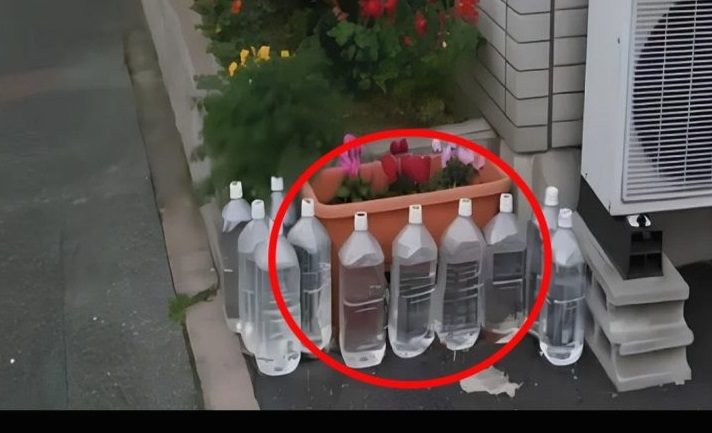
If you’ve ever wandered through a quiet neighborhood in Japan, you might notice something unusual: clear plastic water bottles placed neatly along walls, fences, or garden edges. They’re not forgotten trash or leftovers from a picnic — they have a purpose. In Japanese, they’re called nekoyoke, meaning “cat deterrents.”
Why Are They There?
While cats are beloved pets in Japan, stray cats can sometimes cause problems. They may damage gardens, dig in flower beds, or use certain spots as their personal litter box. To discourage this, some residents place water-filled bottles outside, hoping to keep cats at bay without harming them.
How Is It Supposed to Work?
The idea is simple: when sunlight or streetlights hit the water, the reflections and flashes of light are believed to startle cats. Some also think the distorted images in the bottles or the way light bends through water can confuse cats’ depth perception, making them less likely to linger.
Where Did the Idea Come From?
Surprisingly, this custom may not have originated in Japan. Similar methods appeared in Western countries in the 1980s, but they were aimed at deterring dogs. Over time, the Japanese adapted the concept for use with cats, especially to protect gardens and entryways.
Does It Actually Work?
Scientific studies suggest these bottles aren’t a reliable deterrent, especially in low-light areas. Still, many people keep using them — partly from habit, partly from hope. Even if the effectiveness is questionable, they remain a safe and harmless solution.
A Quirky Cultural Detail
Over the years, nekoyoke bottles have become more than just a pest control method — they’re now part of the visual charm of Japanese streets. They reflect traits often associated with Japanese culture: creativity, orderliness, and a gentle approach to problem-solving.
So, whether they truly keep cats away or not, these bottles add a small but memorable detail to the everyday life of Japan — something visitors often notice and remember.