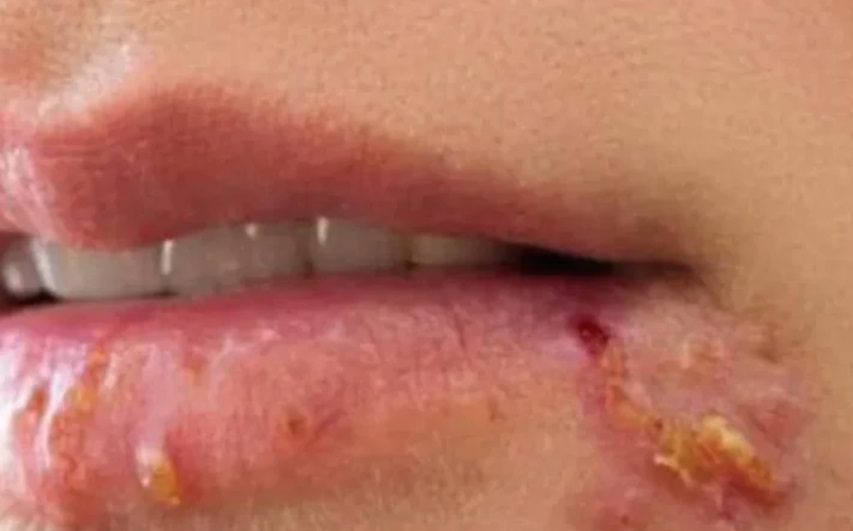
If you see this appearing on your lips, it is a sign of ca….
Cold sores—also known as fever blisters—can be small, but they pack an outsized punch when it comes to discomfort and frustration. Caused by the herpes simplex virus type 1 (HSV-1), they’re highly contagious, often painful, and have a habit of returning when you least expect it.
The good news? With the right knowledge, prevention habits, and early treatment, you can reduce their impact on your daily life. This guide walks you through what causes cold sores, how to spot them early, the best treatment options, and simple prevention strategies.
What Causes Cold Sores?
Most people encounter HSV-1 in childhood, often through casual contact like kissing or sharing utensils, towels, or lip balm. Once infected, the virus stays in your body for life, hiding in nerve cells until triggered.
While HSV-1 typically causes oral cold sores, HSV-2—more often associated with genital herpes—can also appear in the mouth area if the virus spreads through oral contact.
Common Cold Sore Triggers
Even if the virus is dormant, certain factors can “wake it up” and cause an outbreak:
- Emotional or physical stress
- Colds, flu, or other illnesses
- Weakened immunity
- Hormonal changes (e.g., menstruation)
- Sun exposure, especially on the lips
- Fatigue or lack of sleep
Cold sores most often appear on or around the lips but can also show up near the nose, chin, or cheeks.
Early Signs to Watch For
Spotting symptoms early means you can start treatment sooner and possibly shorten healing time. Watch for:
- Tingling, itching, or burning sensations
- Redness or mild swelling
- Small fluid-filled blisters (which burst and crust over) within 1–2 days
Healing usually takes 2–4 weeks, depending on care and immune health.
Cold Sore Treatment Options
There’s no cure for HSV-1 yet, but treatment can reduce pain, speed healing, and lower the chance of spreading the virus.
- Antiviral medications – Acyclovir, Valacyclovir – most effective when started early
- Over-the-counter creams – Docosanol, Lidocaine – reduce pain and swelling
- Pain relievers – Ibuprofen, Acetaminophen – ease discomfort
Natural Soothing Remedies
Some gentle, at-home remedies may help reduce irritation:
- Aloe vera – cools and moisturizes
- Lemon balm – antiviral and soothing
- Tea tree oil – antiviral (always dilute before use)
- Petroleum jelly or SPF lip balm – protects the skin while healing
Preventing Cold Sore Outbreaks
You can’t remove the virus, but you can lower your risk of flare-ups:
- Manage stress with relaxation techniques
- Get consistent, quality sleep
- Protect lips with SPF balm in sunny weather
- Eat a balanced diet and stay hydrated
- Maintain regular exercise
How to Avoid Spreading Cold Sores
When a sore is active, you’re at your most contagious. Protect others by:
- Avoiding: kissing, sharing lip products, utensils, or towels; touching your face or eyes during outbreaks
- Doing: frequent handwashing and using your own personal care items
When to See a Doctor
Seek medical advice if:
- You have six or more outbreaks a year
- Sores are severe or slow to heal
- Cold sores appear near your eyes
- You have a weakened immune system
The Future of Cold Sore Research
Scientists are exploring vaccines, improved antiviral medications, and even gene-editing approaches to better prevent and treat HSV-1. While a cure isn’t here yet, advances are on the horizon.
Final Takeaway
Cold sores can be frustrating, but they’re manageable. By understanding triggers, catching symptoms early, and following good prevention habits, you can limit outbreaks and protect yourself and others.
You’re not alone in dealing with this—millions of people manage HSV-1 every day. With the right strategies, you can keep flare-ups under control and live life without letting cold sores take center stage.