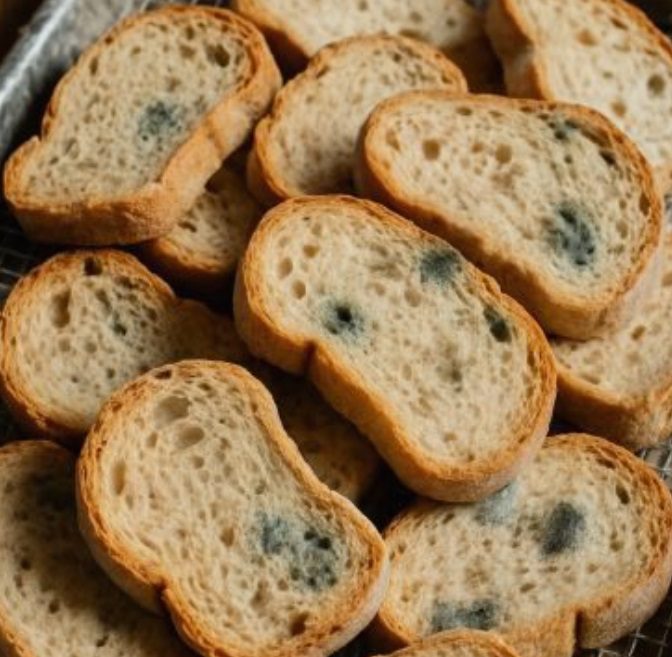
Pulled out some stale bread from pantry. My mother-in-law says it’s wasteful not to use it, but it looks bad to me. What should I do?
We’ve all been there—you open the pantry, already picturing a soft slice of bread with your morning coffee, only to find it’s gone dry and hard. That disappointing moment is something every home cook has faced at least once. And just when you think about tossing it, you might hear your mother-in-law’s voice in your head reminding you, “It’s wasteful not to use it.”
This little kitchen dilemma—whether to throw out or repurpose stale bread—is more than just a personal choice. It’s a moment where food safety, flavor, and sustainability meet on your cutting board. And with a few smart tips, you can turn that lifeless loaf into something delicious while doing your part to reduce waste.
What “Stale” Really Means
When bread goes stale, it doesn’t automatically mean it’s gone bad. Scientifically, it’s undergoing retrogradation—a natural process where starch molecules realign and push out moisture, leaving the bread dry and firm. This can happen within a couple of days if it’s not stored properly.
Importantly, stale bread is not the same as moldy bread. If there’s no mold and no odd smell, it’s usually safe to eat. The key is knowing the difference. Mold shows up as fuzzy green, white, or black spots—and once it appears, the bread needs to be discarded immediately to avoid harmful mycotoxins.
Is It Safe to Eat Stale Bread?
Yes—if it’s just dry, stale bread is safe to consume. The only drawback is texture. The good news? That’s easy to fix. Toasting stale bread, or using it in dishes that naturally rehydrate it—like French toast, bread pudding, or stuffing—can completely transform it.
This isn’t just about saving a few dollars. It’s a budget-friendly kitchen hack that also plays a role in reducing global food waste.
The Environmental Side of Stale Bread
Here’s a surprising fact: bread is among the most wasted foods worldwide. With an estimated 1.3 billion tons of food wasted globally each year, the environmental impact is staggering. Every loaf tossed means wasted water, energy, and transportation resources.
When food waste ends up in landfills, it also produces methane—a greenhouse gas far more potent than carbon dioxide. By repurposing stale bread, you’re not just making the most of your grocery budget—you’re actively participating in eco-friendly living.
How to Revive Stale Bread
You might be surprised how easy it is to bring bread back to life. Here’s one quick fix:
- Sprinkle the loaf lightly with water.
- Place it in a 350°F (175°C) oven for about 10 minutes.
This simple trick can restore some moisture, making it enjoyable again.
Creative Ways to Use Stale Bread
- French Toast – The custard mixture soaks right in.
- Bread Pudding – A dessert that loves slightly dry bread.
- Stuffing – Perfect for holiday meals or roasted chicken dinners.
- Panzanella Salad – Italian bread salad with tomatoes, olive oil, and basil.
- Homemade Breadcrumbs – Blend and store for future recipes.
- Crispy Croutons – Season, bake, and toss into salads or soups.
Does Stale Bread Lose Nutrition?
Mostly, no. Bread still retains its carbohydrates, fiber, and micronutrients. If it’s fortified, certain added vitamins may degrade slightly over time—but the core nutrition stays intact.
Keeping Bread Fresher for Longer
- Store at room temperature in a bread box or paper bag.
- Avoid refrigeration—it speeds up staling.
- Freeze extra bread in airtight wrapping for months of freshness.
When It’s Time to Let Go
- Signs your bread has passed its prime:
- Mold (green, black, or white fuzz)
- Sour or off smell
- Extremely hard texture that can’t be softened
- Bitter or unpleasant flavor
A Global Perspective
Around the world, stale bread is celebrated in classic dishes:
- France – Pain perdu (French toast)
- Italy – Panzanella salad
- Spain – Migas, a savory bread dish with garlic and paprika
These recipes prove that using every crumb isn’t just thrifty—it’s part of a culinary heritage.
Expert Insight
Award-winning chefs like Massimo Bottura have championed cooking with “waste” ingredients. In his kitchen, stale bread becomes gourmet creations, showing how a little creativity can turn potential waste into something extraordinary.
The Takeaway
Next time you find a stale loaf, don’t think of it as trash—see it as an ingredient with potential. With a few simple tricks, you can revive it, reinvent it, and even help the planet in the process.
So, what’s your favorite way to give stale bread a second life?